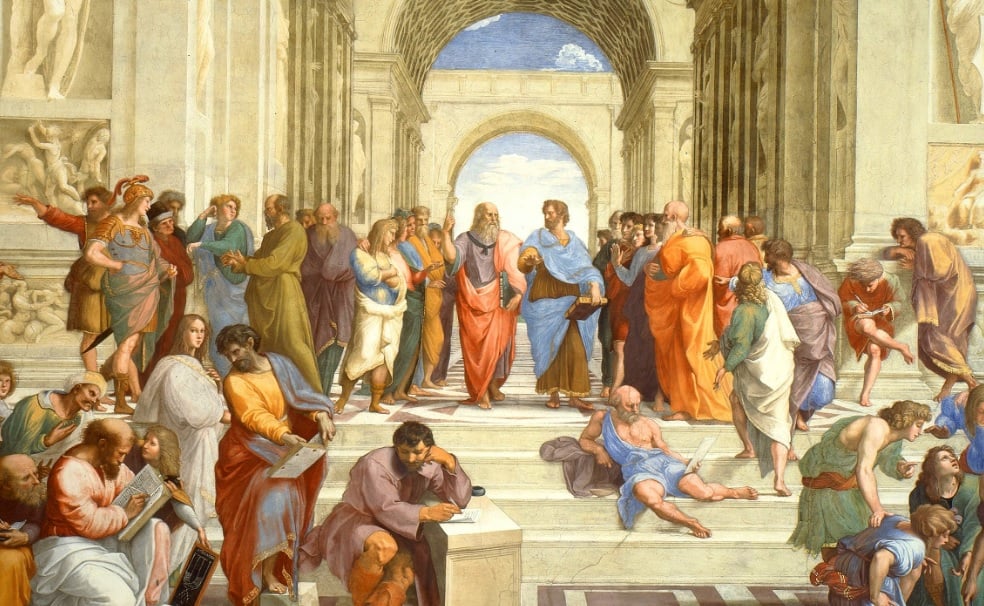

I was recently watching this YouTube video by a channel by the name of Aperture, which dedicates itself to that sort of philosophical cinematic self-help style that seems to be so loved in the platform. And for good reason! The video is pleasant to watch, the music is beautiful, and the visuals compliment the video’s topic perfectly: stoicism. The acceptance of unexpected change. The indifference to emotion and feeling that seeks to bring about change, in the same way telling a child to stop crying about a cut eventually does. And yet, despite how good the video felt to watch, I still profoundly disagree with stoicism, and here’s why.
To its credit, the video avoids a trap that many other video essays on stoicism walk right into: the idea that stoicism entails being an ass to everyone around you for the sake of self-growth. You know what I mean, those instagram posts of a Bugatti with a caption reading “success means being feared” in a big white font. Instead, the video takes a more rational approach to stoicism: control your emotions. If you are struck by misfortune, do not panic. Do not cry, and do not scream, and do not rant. Accept it, and move on, and in the long run, you will be a better, more emotionally stable person.
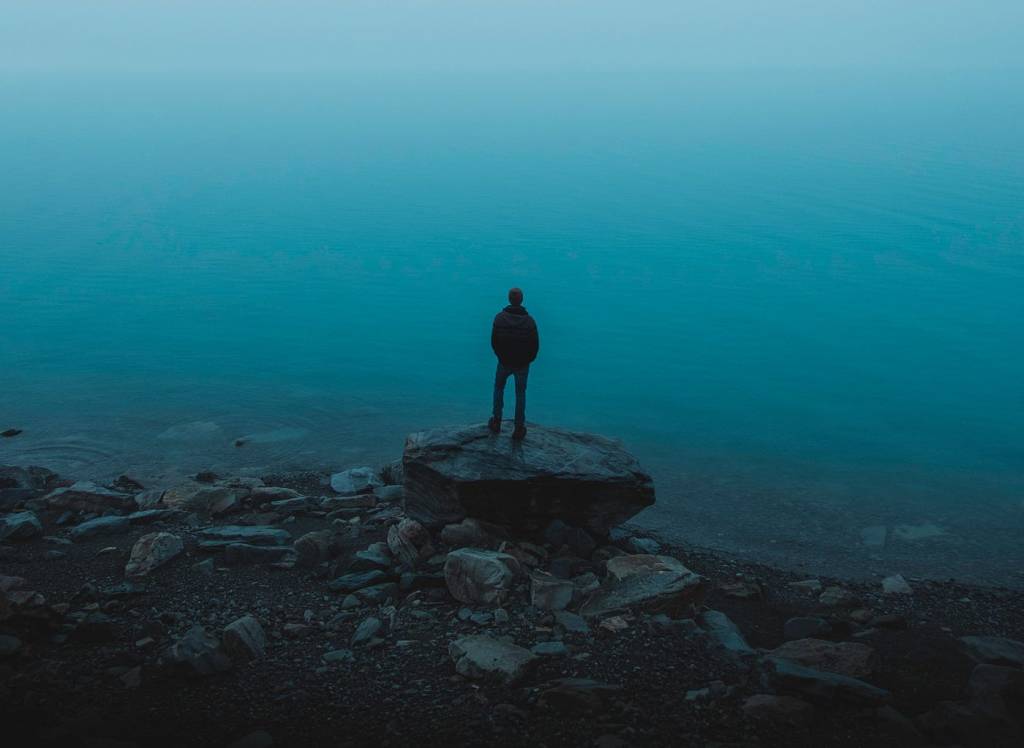
One of the few images on Google for stoicism that weren’t of Greek statues
And yet, I always found a massive gaping issue in this approach to emotion. Firstly, the assumption that being the emotional equivalent of a rock is intrinsically “better” than giving in to your emotions. Stoicism preaches a disconnect: accept the random flow of things, launch yourself into the rapids of life, but never once react. Should these rapids throw at you a sharp rock, or a thorny branch, you must sit tight, and seethe your way through the pain. This idea is, to me, ridiculous. How can we reject emotion so fully, how can we leave aside our senses for the exclusive pusuit of reason, when it is our senses themselves that makes us human? How can you ask a man not to cry when his shipment of goods is struck down by a storm, when both reactions inevitably lead to acceptance and growth?
The wellbeing of the heart of humanity does not
Abhijit Naskar
rely on practicality, logicality and factuality
alone. Fiction is needed, placebo is needed, and
you know what else is needed – a whole lot of
impractical and absurd unselfishness.
There was no better time for me to finish reading L’Etranger, by Albert Camus. Camus– despite vehemently claiming not to be an extientialist– preached many ideas of existentialism: the idea that life has no meaning except for that which we make for ourselves. In the book, the main character (Meursault) is, by the video’s definition, the ultimate stoic: when his mother dies, he does not react. When he sees his neighbor abusing his dog, he tips his hat and moves on. Meursault is a being of pure logic, and thus, portrayed as inhuman. His decisions are rationalized– even if it is through a dubious moral system– but that doesn’t make them any more human. The final nail in the coffin, for me, was when the video started talking about minimalism, or the idea that owning no physical property is beneficial for oneself. I have always hated the idea of minimalism, but it was only recently that I realized why: the objects we own and care about are an extension of ourselves. To reject our interactions with the physical world– the way we stare at a poster we love, the joy of sleeping on a foam mattress– is to reject our existence within it. And that is, at least to me, a very dumb idea.

The only thing that penetrates Meursault’s stoicism is the Sun.
And yet, despite my critiques of stoicism, I still harbor a deep love for it. Though it urges us to brave the rapids with no regard for our feelings, it still urges us to brave them. Swimming against the current of life is of no use. We can’t, as Nick Carraway says, repeat the past, and stoicism acknowledges this. But at the same time, don’t be afraid to show emotion. No amount of crying will make your defiance any less badass. If you win the lottery, be happy! If you lose a leg, be sad! Who cares? Bottling up your feelings won’t make you grow, what makes you grow is what you do after you deal with them. Marcus Aurelius, famous stoicist (and whatever the ancient Greek equivalent of a billionaire was,) once said that “death smiles at us, and all a man can do is smile back.” And what a glorious philosophy this is! Be a bizarre person! Do bizarre things! When the abyss stares at you, never be afraid to stare back.
 Tiny Hydra
Leave a comment