

Impossible à prononcer was my 2021 darling, having found me during the phase of quarantine where I spent more time looking for new music than I did breathing. As an album, it’s hard not to love: the mellow bass notes, funky accordion, and gorgeous vocal performances give it a calming, breezy feel. It is also perhaps the album I like to shill to my friends the most. Given that I know absolutely nothing about music, and much less French, I thought it would be fun to write my thoughts on both of those things at once. Without further ado, then, I present to you a Sommelier’s Guide to French Pop.
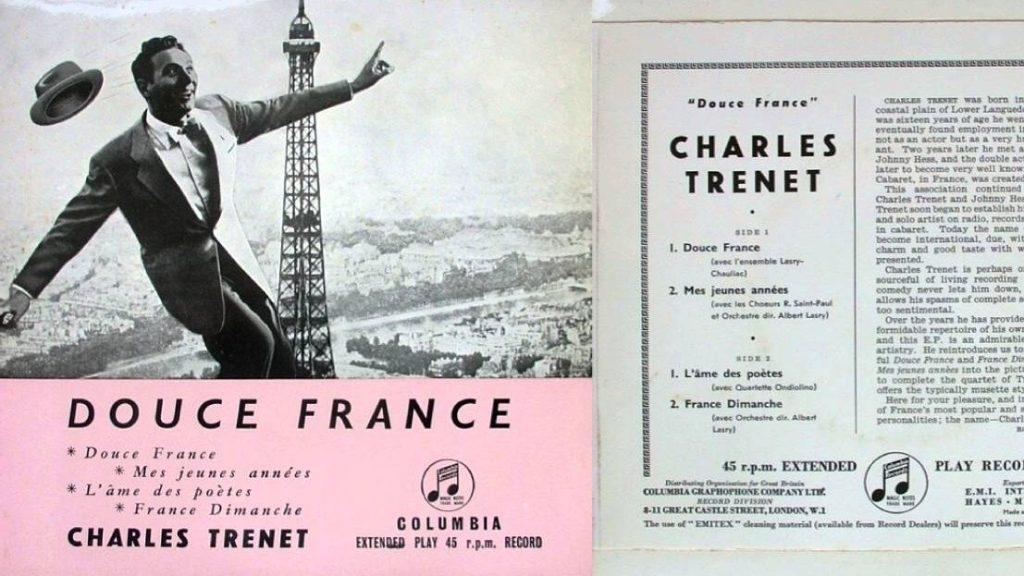
1. Douce France (Originally by Charles Trenet)
Overall, a pretty good start! Douce France has a very light feel to it, with a catchy melody and a beautifully octave-ridden intro that kind of reminds me of a classical piece. The accordion, as you’ll soon see with many other songs in the album, plays a huge role in turning otherwise boring chords into a certified groove, as the kids say. Not much else to write home about. A nice, jazzy song with pretty lyrics. Next!

2. Les copains d’abord (Originally by Georges Brassens)
My bias for a few songs in this album is going to start showing from this point onwards, so don’t say you weren’t warned. Les copains d’abord starts slow, but gradually ramps up the tempo as the song goes on, ending with some sort of frantic narrative that I– not speaking French– had a terrible time trying to decipher. It’s been one of my favorite tracks since I first came across the album, mostly because of it’s swing rhythm, and is featured prominently across a concerning number of my Spotify playlists. Would definitely recommend!

3. Que reste-t-il de nos amours? (Originally by Avalon Jazz Band)
I’m going to be honest: the intro to this song never particularly piqued my interest, so I never really touched the song until I was listening to the album for this review. And oh boy, did I miss out. Listening to it now, a few things popped out almost instantly. For one, the chorus of the song is remarkably similar to Laufey’s I Wish You Love. Errily similar, actually. Go see for yourself. What’s more, there’s a little nod to Can’t Take My Eyes Off You at around the two-minute mark, which is always welcome. But, even more importantly, the song is good. It’s not as groovy as some others on the album, sure, but it makes up for it with its charmingly slow piano chords, and some surprisingly sweet high notes in the bridge. It has a very bar-y feel to it. Definitely regret not giving it a second chance earlier.


4. Vesoul (Originally by Jacques Brel)
This is probably the only song in this album that I explicitly did not like. It feels very same-y and fast-paced. Other than that, though, I can’t really put my finger on what specifically about it I didn’t like. I can see how it might be appealing to other people, but I’ll pass. I picked the image because, for some reason, he looks exactly the same as Albert Camus (move the slider to see the comparison).

5. Laisse béton (Originally by Renaud)
Sounds like something that would play while you get chased by a bull. Not my favorite, but definitely better than Vesoul. The percussion and the trumpets that always feel like they’re trying to catch up to the tune definitely saved it, at least partly; it’s just not my type of music.

6. La chanson de Maxence (Originally by Michel Legrand)
Finally, a sad song (more so melancholy, but still under the same umbrella,) and also yet another song that I only really started listening to– setting my judge-a-book-by-its-cover aside– a short while ago. The backing chords of the accordion– and, later on, the very quiet chorus– give it that bittersweet ebb-and-flow so characteristic of good sad hours music. The four minutes, while longer than most other songs, don’t overstay their welcome. If you’re looking for music to cry to, beware of the goofy harmonica! (P.S.: the guy in the picture is Maxence!)

7. Assedic (Originally by Les Escrocs. I ❤ them!)
I have been sitting on the edge of my chair waiting to talk about Assedic for more or less the entire time it took me to write this post. In fact, it was probably a big part of why I decided to write about French pop at all. Everyone who knows me has heard me talk about this song. I love Assedic. Unlike the other songs in the album, Assedic goes for a more bossa nova style– which, by the way, works perfectly with Dawn’s vocals– that is both gorgeous and intricate, and takes the tropical-sounding percussion to its limits. Imagine my surprise, then, when I discovered that the lyrics weren’t some sappy love poem, or an exposé on a cheating scandal, but a ballad to the French unemployment system! Gorgeous song, gorgeous lyrics, gorgeous everything. Go listen now.

8. Chanson sur ma drôle de vie (Originally by Véronique Sanson)
One of the most danceable songs in the album, and one of my favorites. The chorus, which gets so much more intense as the song goes on, is a masterclass on percussion (seriously, the drums killed it) and brass accompaniment, and the rest of the song works perfectly alongside it. A very pretty love song overall, and definitely something you can play at a party… (at least, as good as French pop is going to get you.)
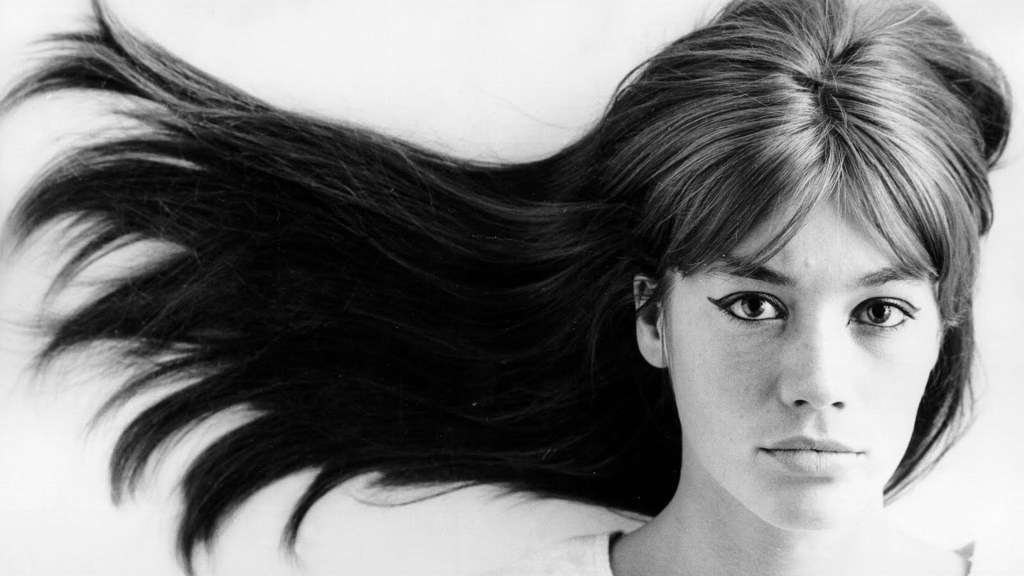
9. Comment te dire adieu (Originally by Françoise Hardy)
A very fitting end to a beautiful album. Comment te dire adieu is probably my second favorite song in the album, right behind Assedic (as I’m sure you saw coming). The tempo is fast, the lyrics are fun, and the bridges are better built than most in the real world. Perfect for karaoke, I’d say, so long as your French accent is tolerable.
If you disagree with me, that’s okay! Just remember that you’re wrong. I’ll see you next time, when I use my extremely limited knowledge of archeology to piece together the bones of a creature who walked on its head and spoke through its feet.
 Tiny Hydra
Leave a comment